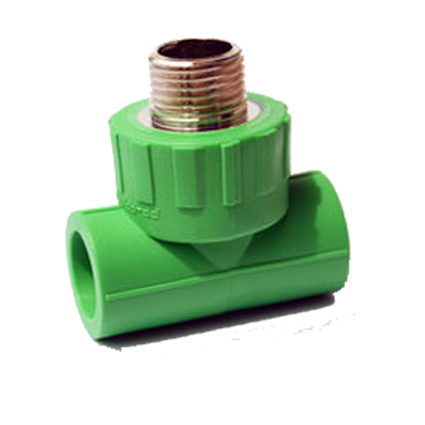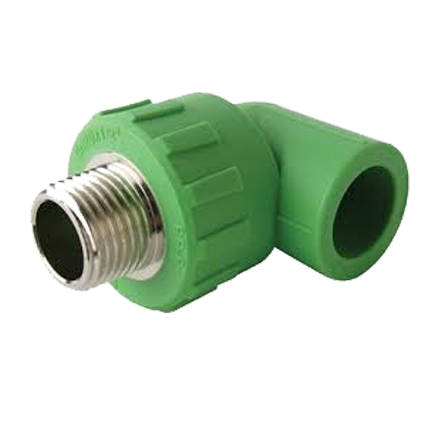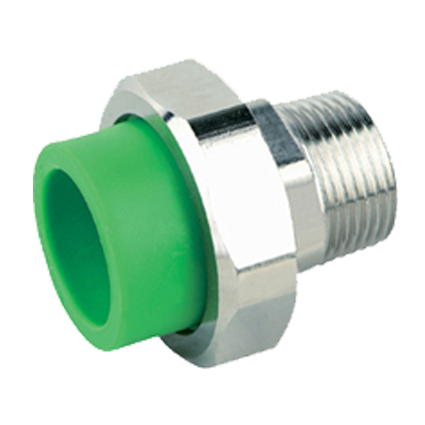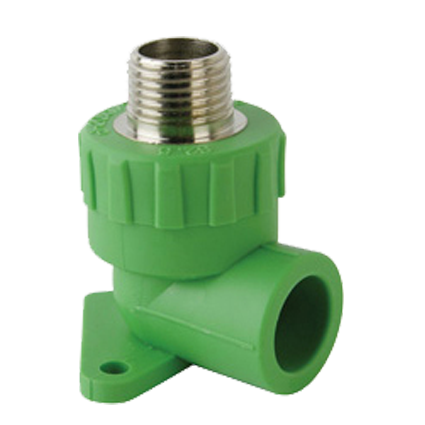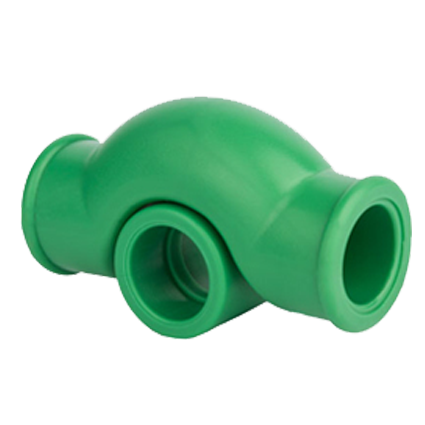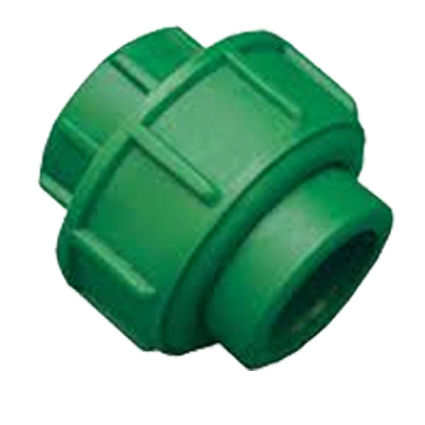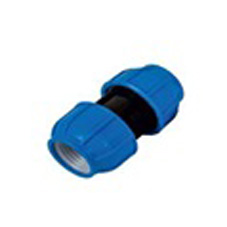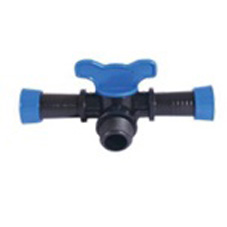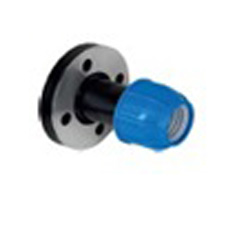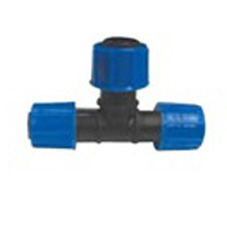
Water Supply and Irrigation Fittings
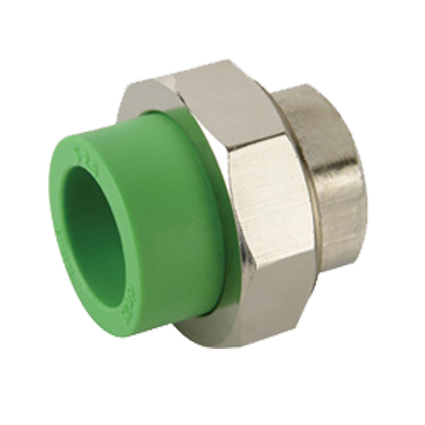
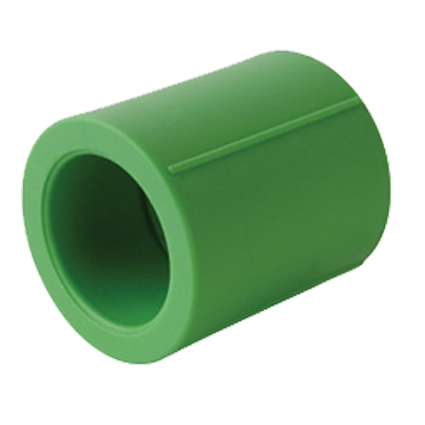
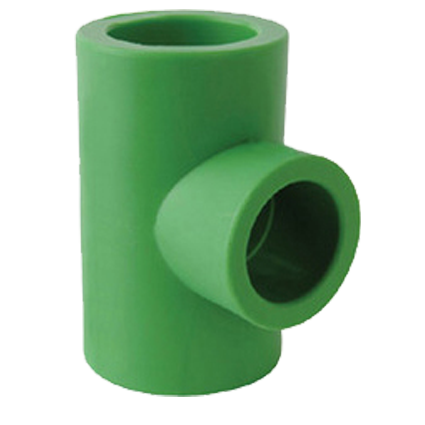
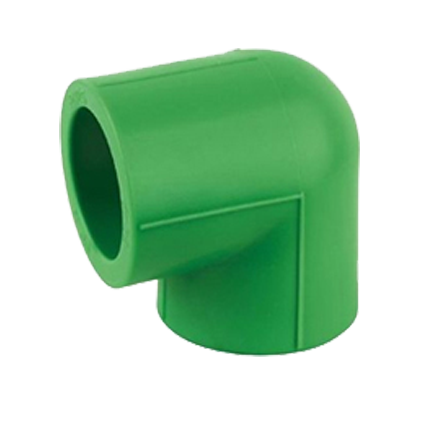
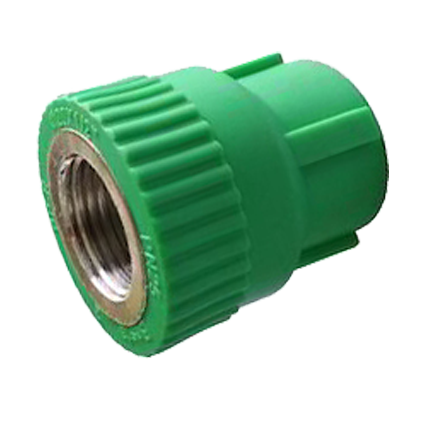
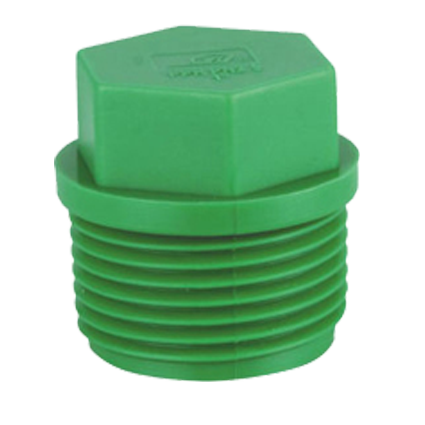
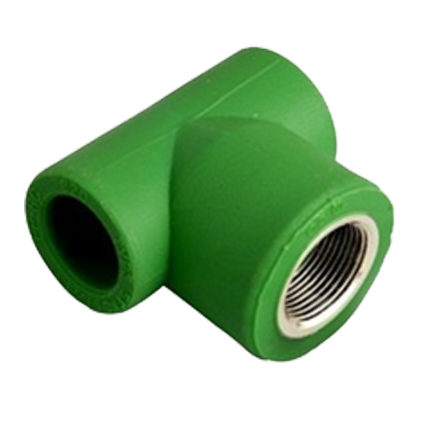
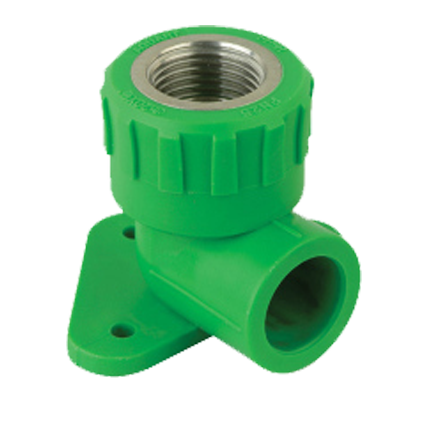
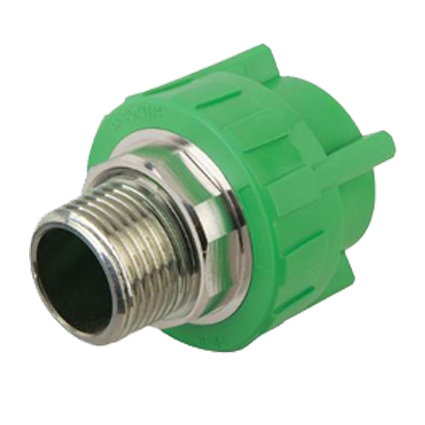
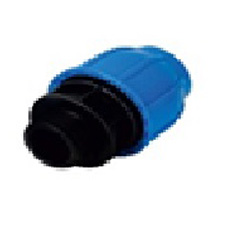
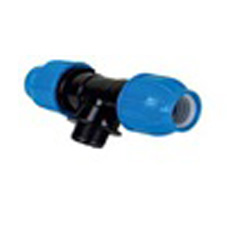
A fitting or adapter is used in pipe systems to connect straight sections of pipe or tube, adapt to different sizes or shapes, and for other purposes such as regulating (or measuring) fluid flow. These fittings are used in plumbing to manipulate the conveyance of water, gas, or liquid waste in domestic or commercial environments, within a system of pipes or tubes.
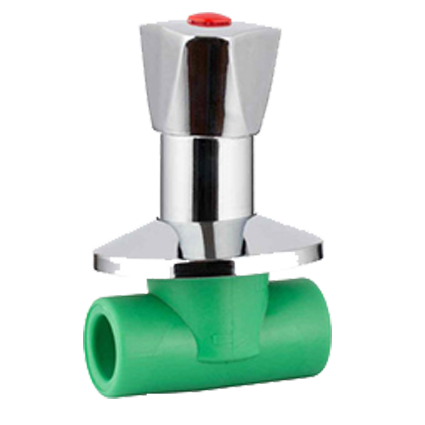
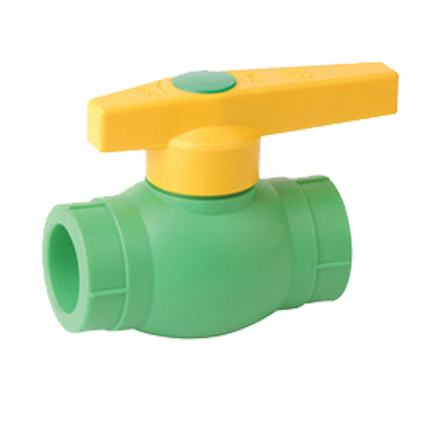
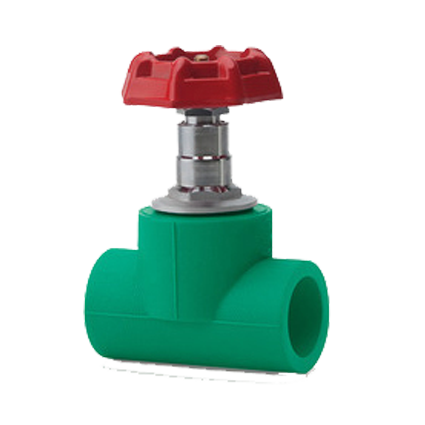
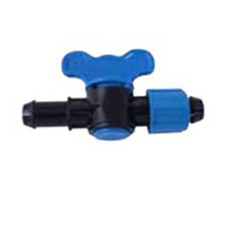
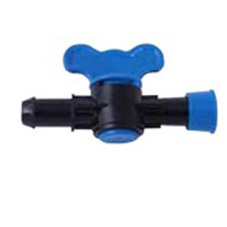
Fittings (especially uncommon types) require money, time, materials and tools to install, and are an important part of piping and plumbing systems.[2] Valves are technically fittings, but are usually discussed separately.
The "Mini-Tank Automatic Water Supply Equipment" is an automated system based on technology developed by our company. The feed pump activates when the pressure switch built into the mini-tank is turned on, and deactivates by the No-Feed Detector built into the check valve in the water pipe. Because it is a completely hands-off automated system, use of river and pond water has been made as convenient as simply "turning on the tap".
Material
The material with which a pipe is manufactured is often the basis for choosing a pipe. Materials used for manufacturing pipes include:
- 1 Carbon (CS) and galvanized steel
- 2 Impact-tested carbon steel (ITCS)
- 3 Low-temperature carbon steel (LTCS)
- 4 Stainless steel (SS)
- 5 Malleable iron
- 6 Non-ferrous metals (includes copper, inconel, incoloy and cupronickel)
- 7 Non-metallic (includes acrylonitrile butadiene styrene (ABS), fibre-reinforced plastic (FRP), polyvinyl chloride (PVC), high-density polyethylene (HDPE) and toughened glass)
- 8 Chrome-molybdenum (alloy) steel — Generally used for high-temperature service
The bodies of fittings for pipe and tubing are most often the same base material as the pipe or tubing connected: copper, steel, PVC, chlorinated polyvinyl chloride (CPVC) or ABS. Any material permitted by the plumbing, health, or building code (as applicable) may be used, but it must be compatible with the other materials in the system, the fluids being transported and the temperature and pressure inside (and outside) the system. Brass or bronze fittings are common in copper piping and plumbing systems. Fire hazards, earthquake resistance and other factors also influence the choice of fitting materials.